

language
English
العربية
বাংলাদেশ
Български
Hrvatski
Česky
Dansk
Nederland
Esperanto
Slovenski
filipino
Suomi
Français
Maori
Georgian
Deutsch
Ελλάδα
ישראל
इंडिया
Magyarország
Ísland
Indonesia
Irlanda
Italia
日本語
Sovensko
Հայաստան
한국
Kyrgyz
ປະເທດລາວ
Latvian
Lithuanian
Luxembourgish
Macedonian
Малайская
Maltese
Монгол улс
ဗမာ
नेपाल
Norge
ایران
Polska
Portugal
România
Российская
Србија
Србија
Bosanski
Slovenian
Беларус
España
Sverige
Точик
ประเทศไทย
Türk
Azərbaycan
Uzbek
Việt Nam
NEWS CENTER
Pay attention to market trends and share industry information
A Comprehensive Guide to Gas Hoses in the Automotive Industry
发布时间:
2021-09-15
Introduction: Gas hoses play a vital role in the automotive industry, particularly in the realm of rubber tubes used for lateral components of vehicles. In this guide, we will delve into the world of gas hoses, exploring their significance, functionalities, and various types available in the market. Importance of Gas Hoses: Gas hoses are essential components that ensure the proper flow of fuel or
Introduction:
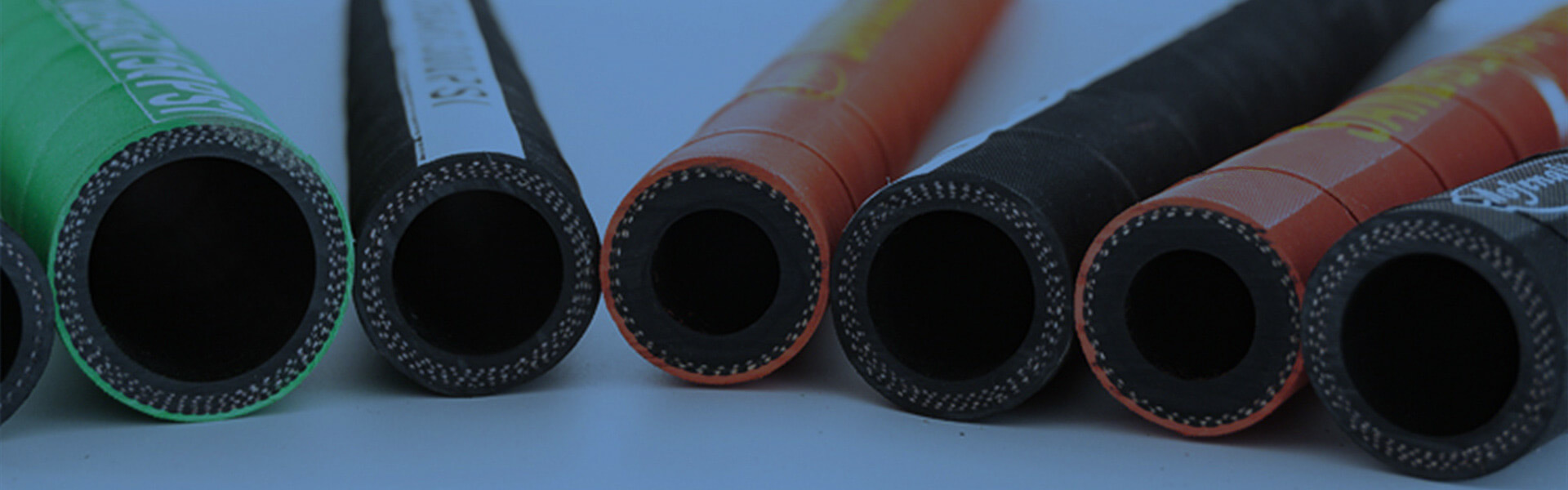
Gas hoses play a vital role in the automotive industry, particularly in the realm of rubber tubes used for lateral components of vehicles. In this guide, we will delve into the world of gas hoses, exploring their significance, functionalities, and various types available in the market.
Importance of Gas Hoses:
Gas hoses are essential components that ensure the proper flow of fuel or other gases within vehicles. They serve as a conduit between different parts, such as the fuel tank, engine, and auxiliary systems. Gas hoses are designed to withstand pressure, temperature fluctuations, and chemical exposure, ensuring safety and efficient operation of vehicles.
Functionality of Gas Hoses:
Gas hoses are primarily responsible for the transfer of fuel or other gases from the source to the respective destination. They need to be flexible, durable, and resistant to wear and tear. Additionally, gas hoses are designed to prevent leaks, maintain integrity under pressure, and withstand extreme temperatures, thus ensuring optimal performance of the vehicle.
Types of Gas Hoses:
1. Fuel Injection Hoses: These hoses are specifically designed to withstand high pressure and are used in fuel injection systems. They are made of a special rubber compound that resists degradation caused by fuel and additives.
2. Fuel Fill Hoses: Fuel fill hoses are used to transfer fuel from the pump nozzle to the fuel tank. They are designed to be flexible and resistant to external elements such as ozone and weather conditions.
3. Vapor Recovery Hoses: These hoses are employed in systems that capture and control fuel vapors. They prevent the release of harmful emissions into the atmosphere, contributing to environmental protection.
4. Vacuum Hoses: Vacuum hoses are responsible for transmitting vacuum signals to various engine components, such as the brake booster or EGR valve. They are designed to maintain airtight connections and withstand negative pressure.
5. Heater Hoses: Heater hoses transport coolant to and from the heater core, which helps regulate the temperature inside the vehicle's cabin. They are resistant to heat and are typically made of reinforced rubber or silicone.
Conclusion:
Gas hoses are indispensable components in the automotive industry, ensuring the safe and efficient flow of fuel and gases within vehicles. Understanding the importance, functionality, and different types of gas hoses can help individuals make informed decisions when it comes to their automotive needs. Whether it is fuel injection hoses, fuel fill hoses, vapor recovery hoses, vacuum hoses, or heater hoses, choosing the right type of gas hose is crucial for optimal vehicle performance and safety.
Gas hoses play a vital role in the automotive industry, particularly in the realm of rubber tubes used for lateral components of vehicles. In this guide, we will delve into the world of gas hoses, exploring their significance, functionalities, and various types available in the market.
Importance of Gas Hoses:
Gas hoses are essential components that ensure the proper flow of fuel or other gases within vehicles. They serve as a conduit between different parts, such as the fuel tank, engine, and auxiliary systems. Gas hoses are designed to withstand pressure, temperature fluctuations, and chemical exposure, ensuring safety and efficient operation of vehicles.
Functionality of Gas Hoses:
Gas hoses are primarily responsible for the transfer of fuel or other gases from the source to the respective destination. They need to be flexible, durable, and resistant to wear and tear. Additionally, gas hoses are designed to prevent leaks, maintain integrity under pressure, and withstand extreme temperatures, thus ensuring optimal performance of the vehicle.
Types of Gas Hoses:
1. Fuel Injection Hoses: These hoses are specifically designed to withstand high pressure and are used in fuel injection systems. They are made of a special rubber compound that resists degradation caused by fuel and additives.
2. Fuel Fill Hoses: Fuel fill hoses are used to transfer fuel from the pump nozzle to the fuel tank. They are designed to be flexible and resistant to external elements such as ozone and weather conditions.
3. Vapor Recovery Hoses: These hoses are employed in systems that capture and control fuel vapors. They prevent the release of harmful emissions into the atmosphere, contributing to environmental protection.
4. Vacuum Hoses: Vacuum hoses are responsible for transmitting vacuum signals to various engine components, such as the brake booster or EGR valve. They are designed to maintain airtight connections and withstand negative pressure.
5. Heater Hoses: Heater hoses transport coolant to and from the heater core, which helps regulate the temperature inside the vehicle's cabin. They are resistant to heat and are typically made of reinforced rubber or silicone.
Conclusion:
Gas hoses are indispensable components in the automotive industry, ensuring the safe and efficient flow of fuel and gases within vehicles. Understanding the importance, functionality, and different types of gas hoses can help individuals make informed decisions when it comes to their automotive needs. Whether it is fuel injection hoses, fuel fill hoses, vapor recovery hoses, vacuum hoses, or heater hoses, choosing the right type of gas hose is crucial for optimal vehicle performance and safety.
Relevant news

undefined
KEMAIER

Hebei kemaier rubber & Plastic
Tel:+86 318 4309908
Mob:+86 15901470995/15533805673
Fax:+86 318 4309908
Add:Jing County, Hengshui City, Hebei Province, China
copyright © 2022 Hebei kemaier rubber & Plastic